
No one wants to deal with a plumbing emergency, but for homeowners in Lakeville, it’s important to recognize the early warning signs of bad pipes before things get out of hand. At True Plumbing Solutions, we’ve been helping families in the area for years, and we know what to look for when pipes start to go bad. That’s the main reason why we wanted to write this blog article.
There are a lot of dangers associated with ignoring the signs of bad plumbing pipes, but we want Lakeville homeowners like you to be safe. So here, we’ll be sharing our insights and tips so you can keep your home’s plumbing system in its best shape.
What Are the Dangers of Bad Plumbing Pipes?
Bad plumbing pipes can lead to a host of problems that no homeowner wants to deal with. Ignoring the early warning signs can cause issues to escalate, resulting in costly repairs, health hazards, and potential damage to your home. For example, if you notice strange noises or water discoloration, contacting a trusted Lakeville plumbing service right away can help you avoid bigger issues down the road. By addressing these problems early, you can save both time and money, and keep your home safe from potential damage.
Here are some of the most common dangers associated with faulty plumbing pipes:
- Water damage
- Mold and mildew
- Contaminated water supply
- Increased water bills
- Decreased water pressure
- Pipe bursts
8 Warning Signs of Bad Plumbing Pipes at Home
Bad plumbing pipes can lead to a lot of problems that no homeowner wants to deal with. Ignoring the early warning signs can cause issues to escalate, resulting in costly repairs, health hazards, and potential damage to your home. For example, if you notice strange noises or water discoloration, contacting a trusted Lakeville plumbing service right away can help you avoid bigger issues down the road.
By addressing these problems early, you can save both time and money and keep your home safe from potential damage. Here are eight telling signs you have bad plumbing pipes:
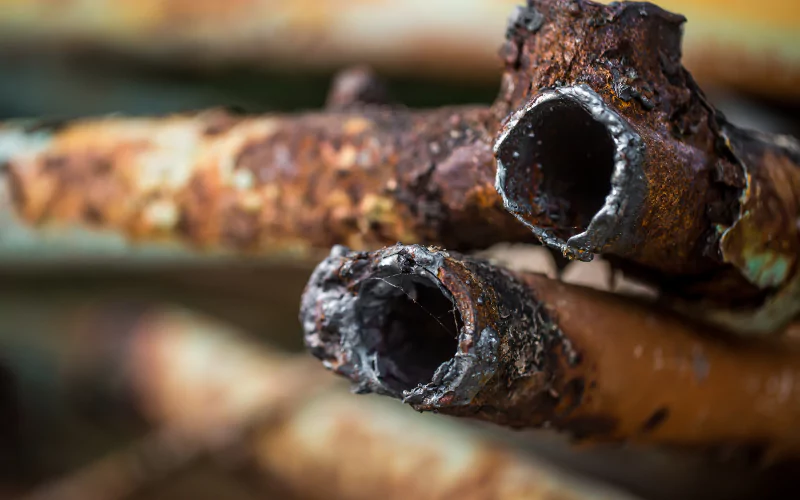
1. Discolored Water
If you notice your water turning a rusty or brown color, it’s often a sign of corroded pipes. Over time, metal pipes can rust, and this rust will mix with your water supply, causing discoloration. While it may not pose an immediate health risk, corroded pipes will continue to deteriorate, eventually leading to leaks or bursts. Discolored water is one of the clearest indicators that your plumbing system needs attention.
2. Low Water Pressure
A sudden drop in water pressure can be frustrating, and it’s often a sign of bad plumbing pipes. Low pressure might be caused by a blockage in your pipes, such as a build-up of mineral deposits or debris. Alternatively, it could be the result of a leak, which allows water to escape before it reaches your faucet. Ignoring this problem can lead to bigger issues, such as a burst pipe or water damage.
3. Strange Noises
Hearing unusual noises like banging, clanking, or gurgling when you turn on your water is a red flag. These sounds are often caused by air trapped in your pipes or by water trying to flow through a blockage. Over time, this pressure can cause your pipes to weaken or even burst. If your plumbing starts making strange noises, it’s a good idea to have a professional inspect it.
4. Frequent Leaks
A bad smell coming from your drains or plumbing fixtures is a sign that something is wrong. Foul odors can indicate a broken or damaged sewer line, allowing sewer gasses to seep into your home. Not only is this unpleasant, but it can also be harmful to your health in the long run. If you notice a persistent odor, it’s essential to call a plumbing expert to investigate the source.
5. Foul Odors
A bad smell coming from your drains or plumbing fixtures is a sign that something is wrong. Foul odors can indicate a broken or damaged sewer line, allowing sewer gasses to seep into your home. Not only is this unpleasant, but it can also be harmful to your health if left untreated. If you notice a persistent odor, it’s essential to call a plumbing expert to investigate the source.
6. Visible Corrosion
If your home has exposed pipes, take a look at their condition. Visible signs of corrosion, such as discoloration, rust, or flaking, are indicators that your pipes are deteriorating. Corroded pipes are weaker and actually more prone to leaks or bursts, which can cause significant damage to your home. It’s crucial to address corrosion early before the issue worsens.
7. Slow Drains
Constantly slow drains, even after using drain cleaners, can indicate a more issue with your plumbing system. A persistent blockage, such as a build-up of debris or even tree roots invading your pipes, can slow down your water flow. If left untreated, this can lead to pipe damage or even sewer line issues. Slow drains are often an early warning sign that your pipes need professional attention.
8. Water Stains
Unexplained water stains on your ceilings, walls, and floors are a major red flag. These stains are usually caused by hidden leaks in your plumbing system. Over time, water seeping through your walls or ceiling can cause structural damage, mold growth, and expensive repairs. If you spot any new water stains, it’s essential to have your plumbing inspected to locate the leak before the damage worsens.
Frequently Asked Questions
How often should I have my plumbing inspected?
It’s generally a good idea to have your plumbing inspected by a professional every one to two years, even if there are no obvious signs of trouble. Regular plumbing inspections can catch small issues before they turn into major problems.
Can bad plumbing affect my water quality?
Yes, bad plumbing can lead to contamination of your water supply. Corroded or damaged pipes may introduce rust, dirt, or even harmful bacteria into your water, making it unsafe to use or drink.
What should I do if I suspect my pipes are leaking?
If you suspect a leak, it’s important to address it immediately. Turn off your water supply and contact a licensed plumber for an inspection. Ignoring pipe leaks can lead to water damage, mold growth, and higher utility bills.
Are DIY fixes safe for plumbing problems?
While minor fixes, like using a plunger or tightening a loose faucet, are generally safe for DIY, more serious issues should be handled by a professional. Attempting to fix complex plumbing problems on your own can lead to further damage and more expensive repairs down the line.
Need Help with Bad Plumbing Pipes? Call True Plumbing Solutions Today!
Bad plumbing pipes can cause a range of problems, from minor inconveniences to serious damage that can be costly and disruptive. Based on our years of experience, we’ve seen firsthand how quickly small issues like leaks or discolored water can escalate into major concerns. It’s always best to stay proactive—by keeping an eye out for warning signs and addressing issues early, you can protect your home and avoid unexpected expenses. Plumbing isn’t just about fixing things; it’s about maintaining the comfort and safety of your home.
If you’re noticing any signs of bad plumbing or simply want to schedule a routine inspection, don’t wait until it’s too late. Contact us today!